Destination Guide
Best Time to Visit Vietnam: A Month-by-Month Guide
19 August 2026 · 6 min read
There's no single best month for all of Vietnam, because the north (Hanoi, Halong Bay, Sapa), the centre (Danang, Hoi An, Hue), and the south (Ho Chi Minh City, the Mekong Delta) each run on a different weather pattern. Planning a trip that covers all three, which most first-time itineraries do, means picking a window where none of the three regions are at their worst.
February to April is the closest thing to a universal sweet spot: the north has shaken off its damp winter chill, the centre is dry and hasn't hit its summer heat yet, and the south is warm but before the heaviest pre-monsoon humidity. This is also when Halong Bay cruises get their clearest visibility of the year.
May through August brings the south's monsoon season — short, heavy afternoon downpours rather than all-day rain, so it rarely cancels a full day of sightseeing. The north during this window gets genuinely hot and humid, which makes it a less comfortable time for Hanoi's Old Quarter walking tours or the Sapa trekking routes.
September to November is when the centre, particularly Hoi An and Danang, is at its best — the Golden Bridge and Ba Na Hills are pleasant to visit without summer's heat, and the Ancient Town's lantern-lit evenings are more comfortable to wander. This window does carry some typhoon risk on the central coast, worth checking forecasts closer to travel dates rather than avoiding the season outright.
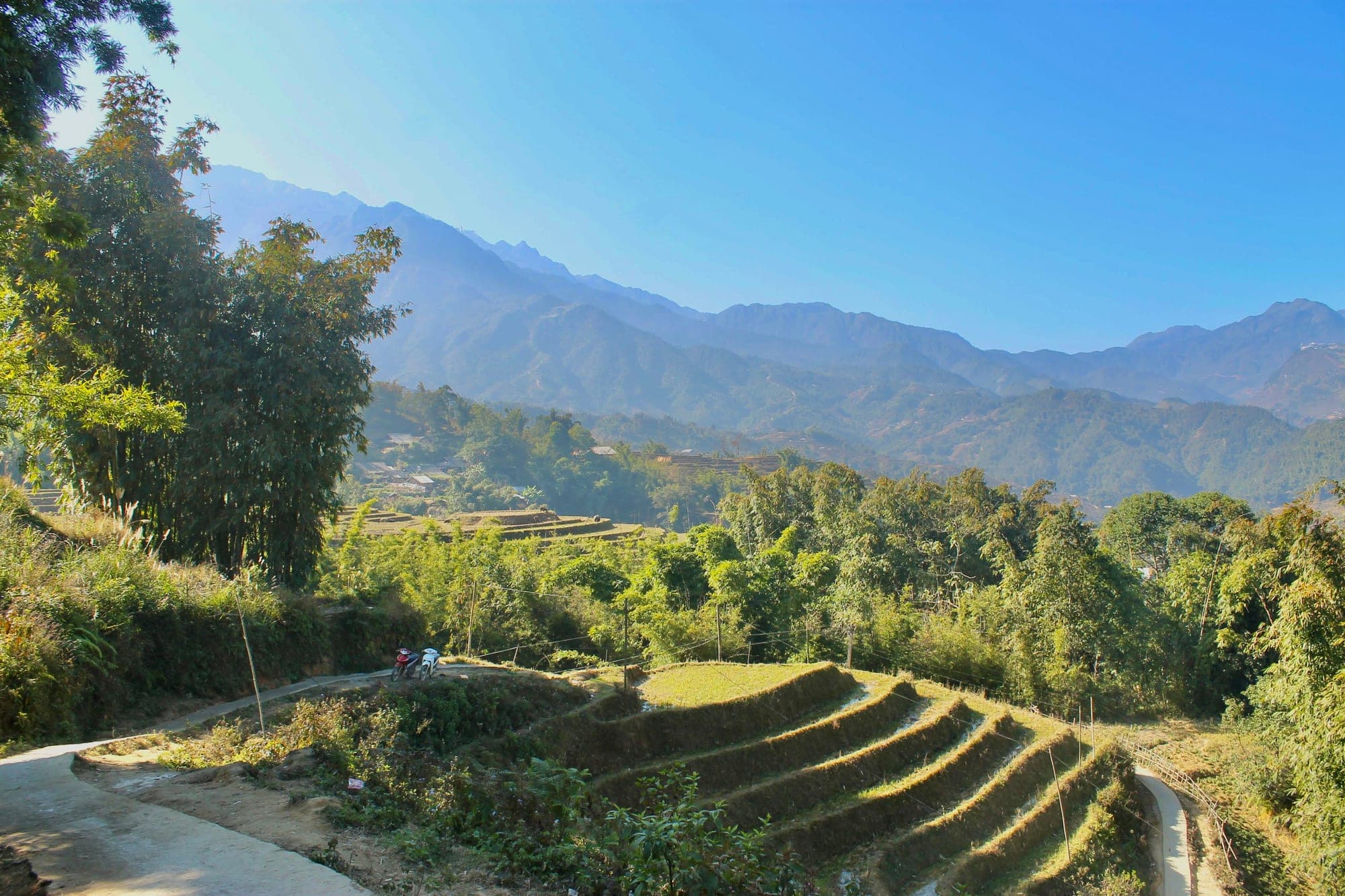
December and January are Vietnam's coolest months in the north, cool enough that Sapa and Halong Bay mornings can feel genuinely cold — worth packing for if your itinerary includes both the far north and the tropical south, where it's still short-sleeve weather.
Related on Travel Anchor