Destination Guide
Kashmir Tour Package: What to Expect and How to Plan It
18 August 2026 · 5 min read
A well-built Kashmir itinerary usually splits across three bases — Srinagar, Gulmarg, and Pahalgam — rather than day-tripping from one hotel the whole trip. Each has a genuinely different character: Srinagar's houseboats and Mughal gardens, Gulmarg's gondola and alpine meadows, Pahalgam's river valleys and pony trails.
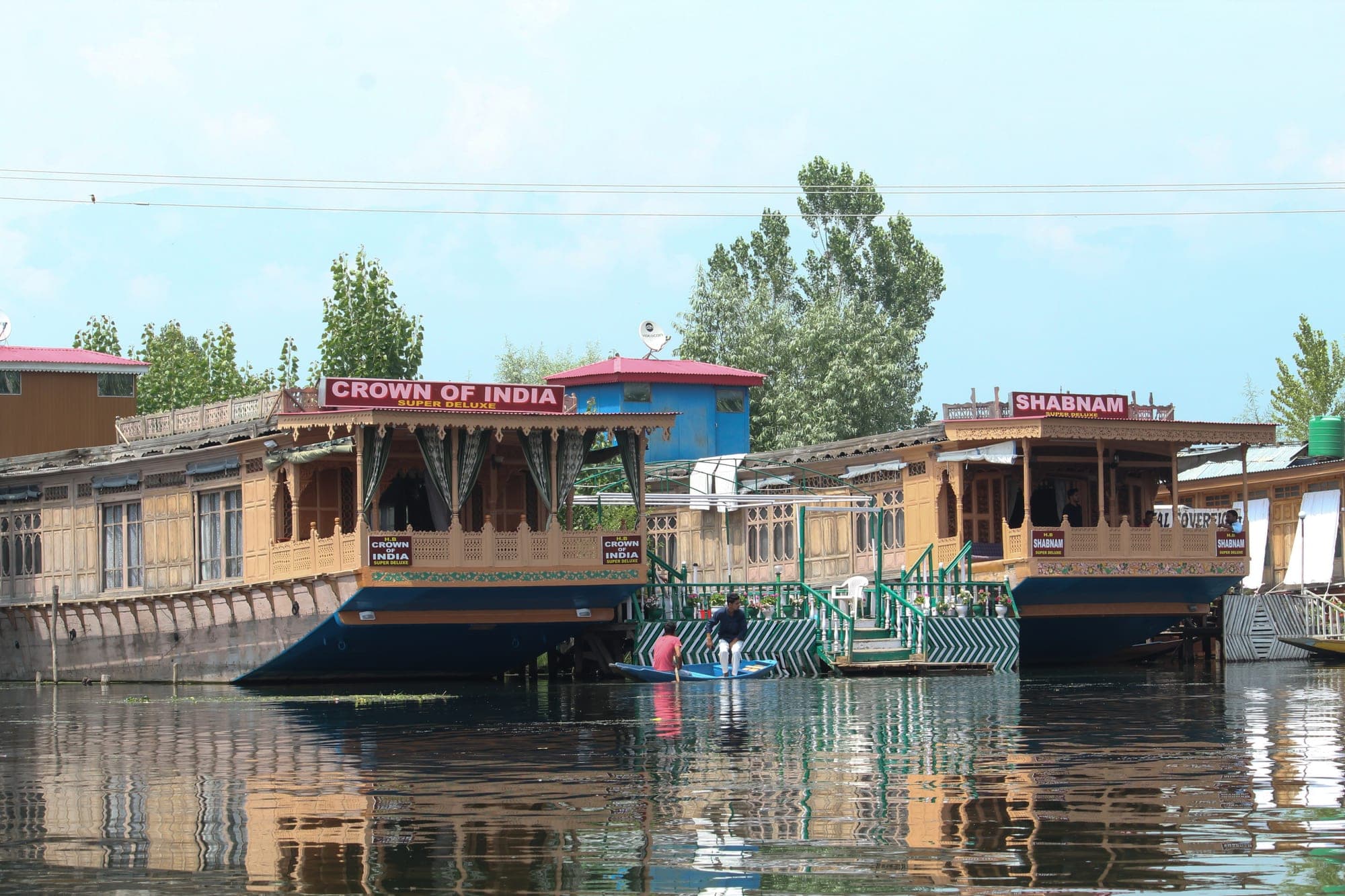
A houseboat night on Dal Lake is worth building the schedule around, not just a photo stop. Waking up to a shikara vendor selling flowers or saffron alongside your boat, with the lake still and the mountains catching early light, is the kind of morning that's hard to replicate from a regular hotel room.
The Gulmarg Gondola is Asia's highest cable car, running in two stages up to over 3,900m — the second stage often closes for weather, so building a buffer day into a Gulmarg stop protects against missing it entirely. In winter this is also India's main skiing destination; in summer, the same slopes turn into some of the greenest alpine meadows in the country.
Pahalgam works well as the pace-setter for the trip — river-side walks, the Betaab Valley (named after the Bollywood film shot there), and pony rides up toward Aru Valley for travellers who want a slower couple of days after Srinagar and Gulmarg's more packed schedules.
May through September is the main travel season, with July-August drawing the biggest crowds around the Amarnath Yatra period. April and October offer a quieter Kashmir — Srinagar's gardens in full bloom in April, or the valleys turning autumn gold in October — for travellers who'd rather skip peak-season pricing and crowds.
Related on Travel Anchor